Lesson 26 · Advanced
Action: racing, dinghies, kitesurf
Read first:
- Lesson 3, Shutter speed: freeze spray, blur the wake
- Lesson 4, ISO and noise: dusk in a harbour
- Lesson 5, Metering a bright sea and white sails
- Lesson 6, Focus and depth of field
- Lesson 7, Focal length: wide marina, tight boat
- Lesson 9, Composition 1: thirds and a level horizon
- Lesson 11, Light: golden hour, blue hour, harsh noon
- Lesson 13, Polariser: cutting glare on water
- Lesson 20, Salt, spray and gear care
What you will learn
- How to freeze fast action, or blur it on purpose.
- How to follow a moving boat, rider or sail with focus and with the camera.
- Where to stand so that you get the shot without being in the way.
Safety first
Boats and kites move fast and cannot always stop or turn. Never stand or float where you could be in a boat’s path, a race course or a channel, and keep out of the way of a kite and its lines. Stay in the places the organisers or the harbour give to spectators, follow the officials’ instructions, and shoot from a boat only if the skipper agrees and you have somewhere safe to hold on. No photo is worth being in the way.
The lesson
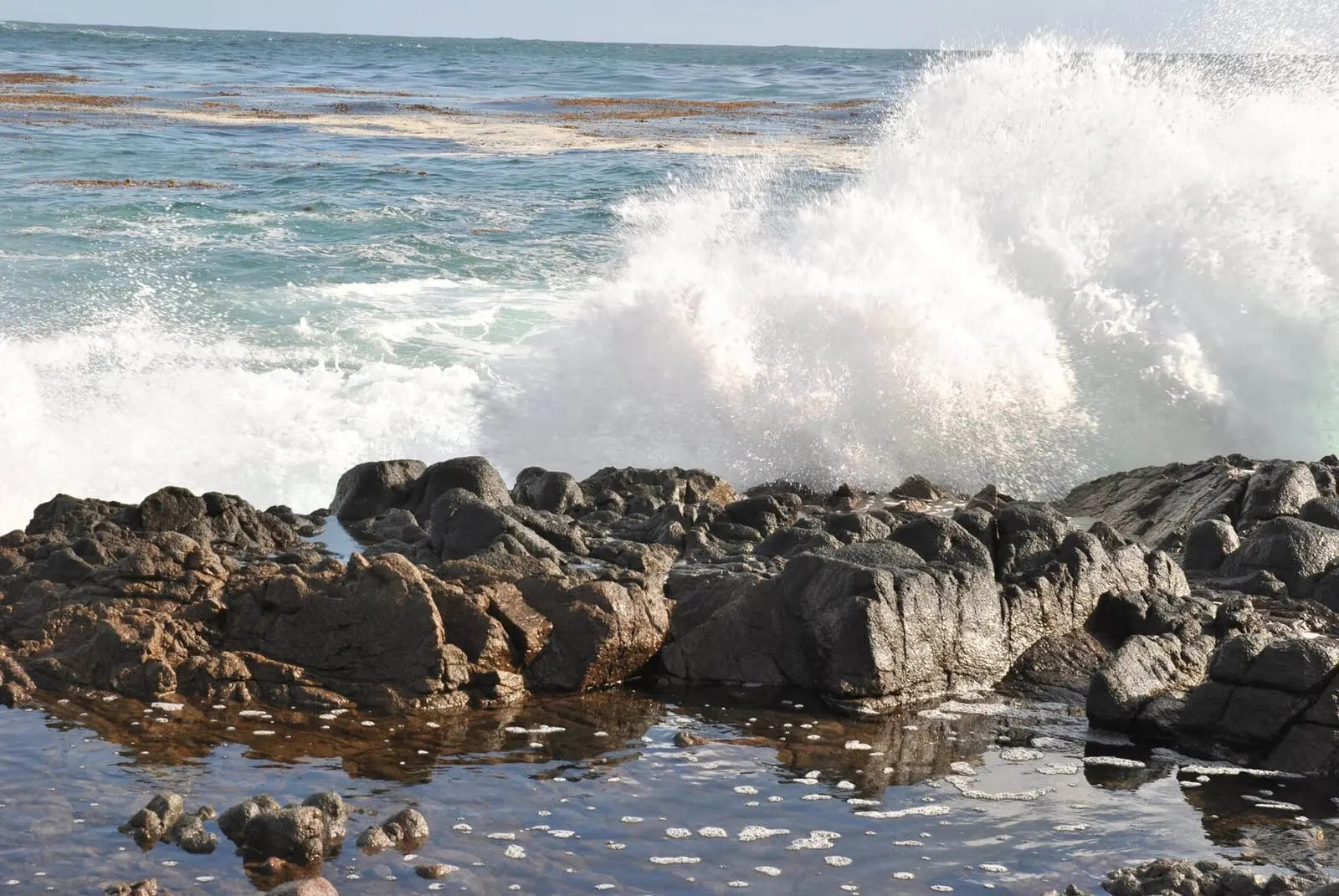
Freezing the moment. A fast shutter stops motion (lesson 3): the faster the subject, the shorter the time you need. A crisp frame of a kite rider in the air, a hull throwing a bow wave, or a sailor leaning out needs a very short time, often a thousandth of a second or less, which in turn needs light. On a bright day this is easy; in dim light you may need a wider aperture or a higher ISO, accepting more noise (lesson 4). Sharp spray frozen into droplets looks dramatic and is the most common reason to choose a short time.
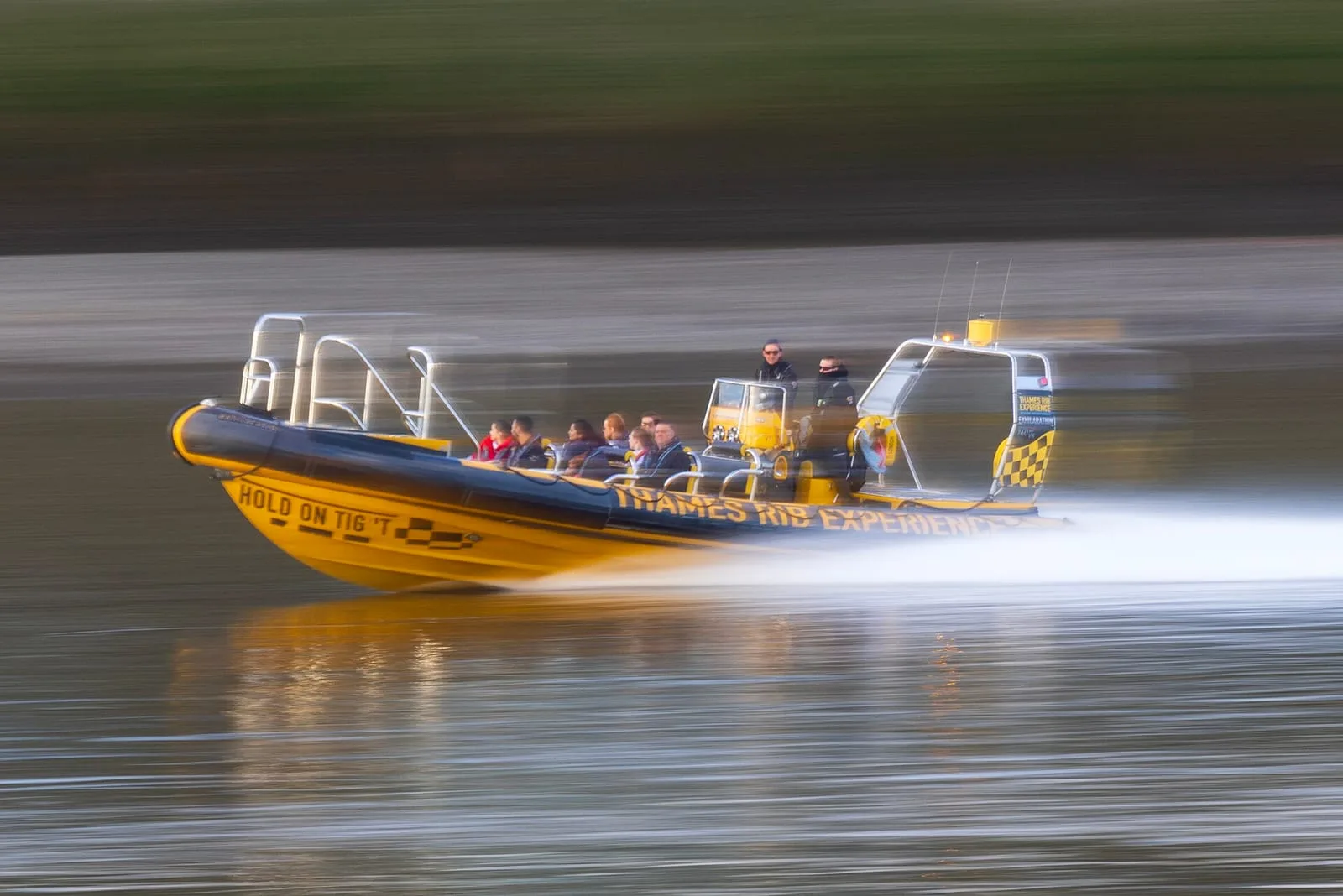
Showing speed with blur. Freezing is not the only way. Panning, which means swinging the camera to follow the subject at the same speed as it moves while the shutter is open, keeps the boat sharp and smears the water and shore behind it. It needs a slower time, about a hundred and twenty-fifth to a thirtieth of a second for many subjects, and practice: begin the swing before you press, keep moving after the click, and stay level. Smooth turning from the body, with elbows in, helps. Expect to throw away most of the frames; that is normal.
Focus on a moving subject. Many cameras and phones can keep refocusing on a moving subject (often called continuous or tracking focus; look in your own camera’s settings and manual for the name and how to switch it on). Keep the subject under the focus point and keep it there as it moves. Water gives little to focus on, so aim at the hull, the sail or the rider, not the sea around them. A burst, holding the button to take several frames per second where the camera allows it, gives you a choice of the exact moment.
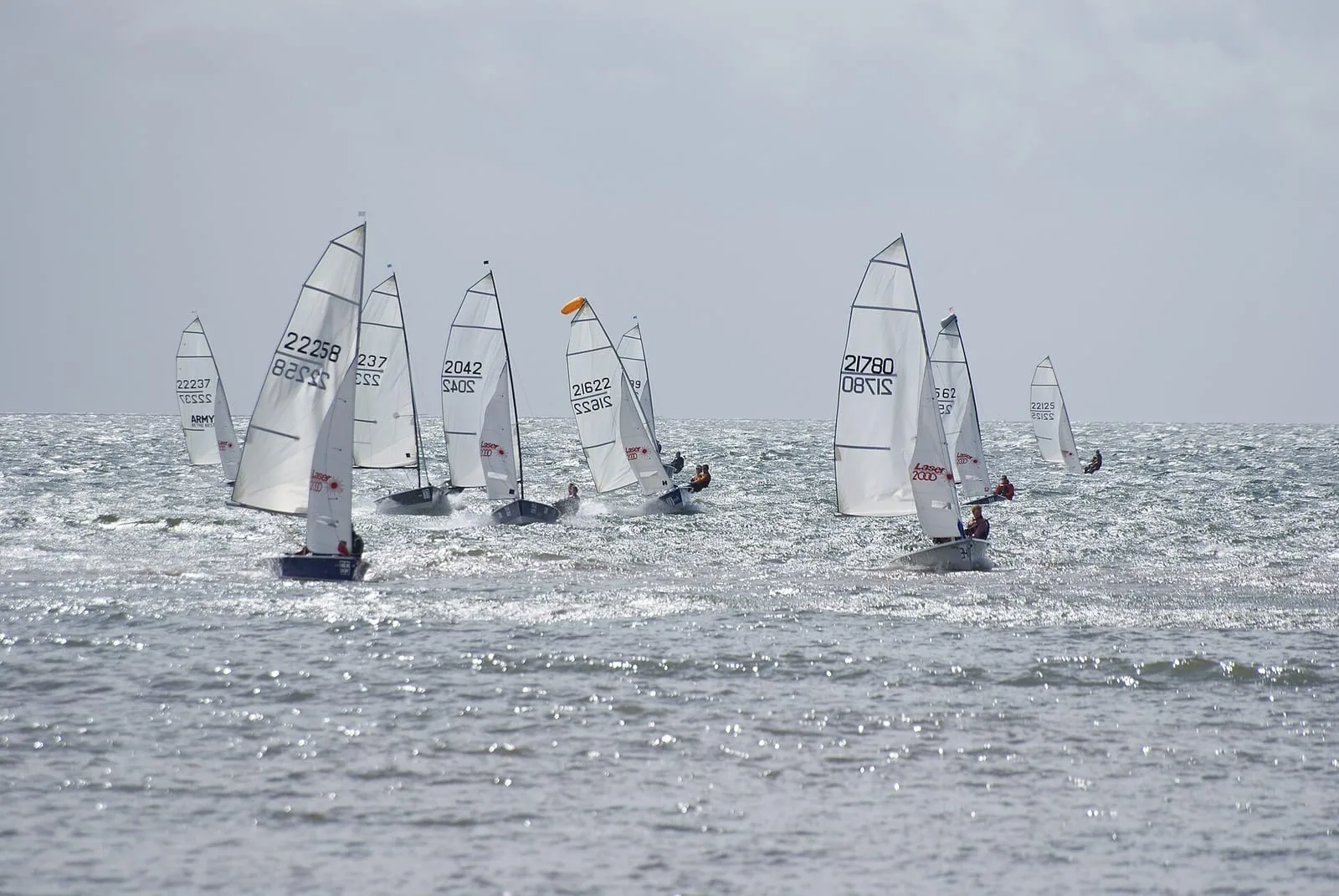
Where and when to press. Learn the action before you shoot. In dinghy racing, the boats pass the same marks again and again, and the best place to be is often where they turn or cross, such as a windward or leeward mark, or the start, from a safe spectator spot. Watch the first pass, choose your frame and wait for the next. Kitesurfers and windsurfers repeat jumps and turns; be ready before the lift, and press just before the highest point because there is a delay between what you see and the shutter.
Reach and framing. A long lens (lesson 7) from shore compresses nothing by itself, but it lets you fill the frame with a distant boat without going near it. Leave room in front of a moving subject so it has somewhere to go; keep the horizon level (lesson 9). Watch the background: a crowded shoreline behind a sail can spoil it.
Light and exposure. Bright sails and sea fool the meter (lesson 5); check the screen and adjust. Low sun behind a boat can light spray and wake beautifully, but check that the subject is not left as a dark shape (lesson 11). A polarising filter (lesson 13) is not needed to start.
Gear and sea. Spray and salt are your camera’s enemy (lesson 20): wipe the lens, keep a strap or wrist cord on, and keep the camera dry in a bag between shots.
Practice
- Practise panning on anything safe and repeating: a cyclist or a car on a quiet road, a ferry or a boat from the quay. Try 1/60 s, 1/125 s and 1/250 s and see which keeps the subject sharp and smears the background.
- At a place with a boat or a kite rider in view from a safe distance, freeze a bow wave or spray at your camera’s shortest comfortable time and note the time and ISO you needed.
- Use burst, if your camera has it, for a turn or a jump, and choose the best frame out of the series. Say why.
- Photograph the same mark twice: from a low position and a higher one. Say which showed the action better.
- Write the safety line for your own spot in one sentence: where you stand, and what you are keeping clear of.