Lesson 11 · Beginner
Light: golden hour, blue hour, harsh noon
What you will learn
- Why the time of day changes a photo more than the camera does.
- What golden hour and blue hour are.
- How to cope with harsh midday sun on the water.
The lesson
Photography means “drawing with light”, and the same scene looks different through the day.
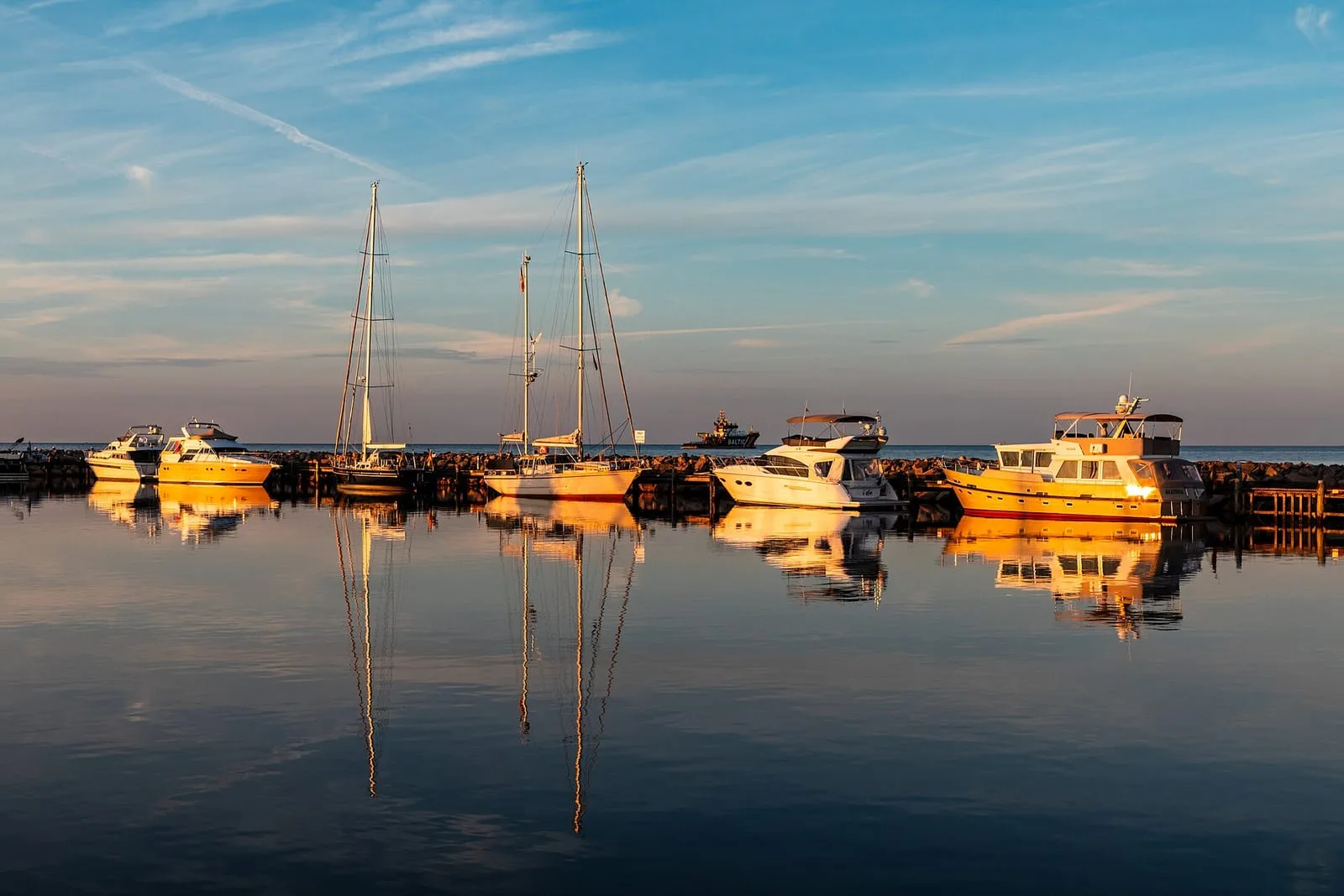
When the sun is low, shortly after sunrise or before sunset, its light crosses a long path of air. The light is warmer (more orange), softer and comes from the side, so it makes long shadows that show shape and texture. Photographers call this golden hour. It is a loose term, not an exact length: it depends on the season and on how far from the equator you are. Near the equator the sun climbs quickly and the good light is brief; far from the equator it lasts longer, and in some seasons at high latitudes the sun hardly climbs at all.
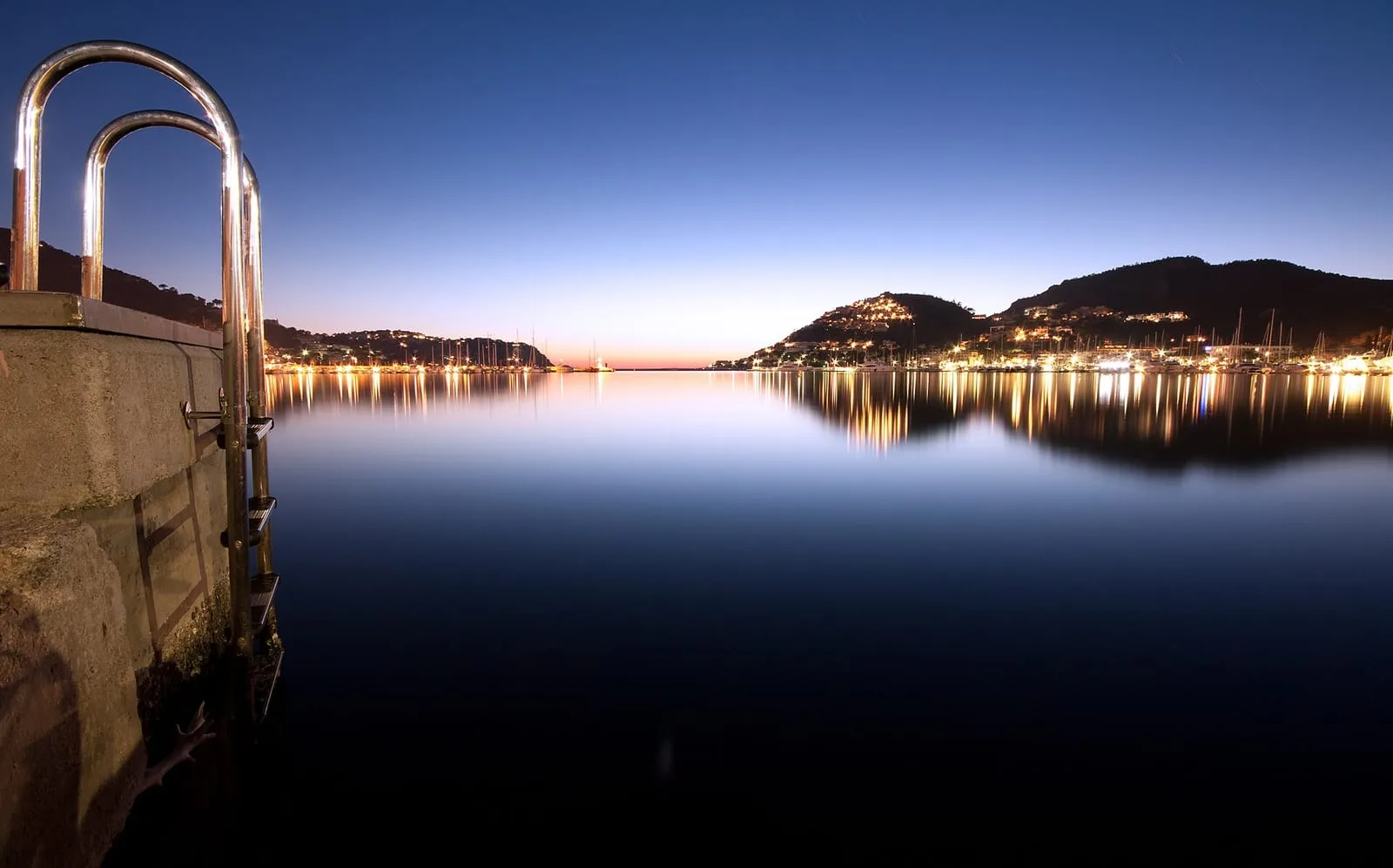
Blue hour is the time just before sunrise and after sunset, when the sun is a few degrees below the horizon (roughly 3 to 10 degrees, depending on who defines it) but the sky still glows with deep blue. City and harbour lights come on and balance well with the sky, so it is a good time for marinas.
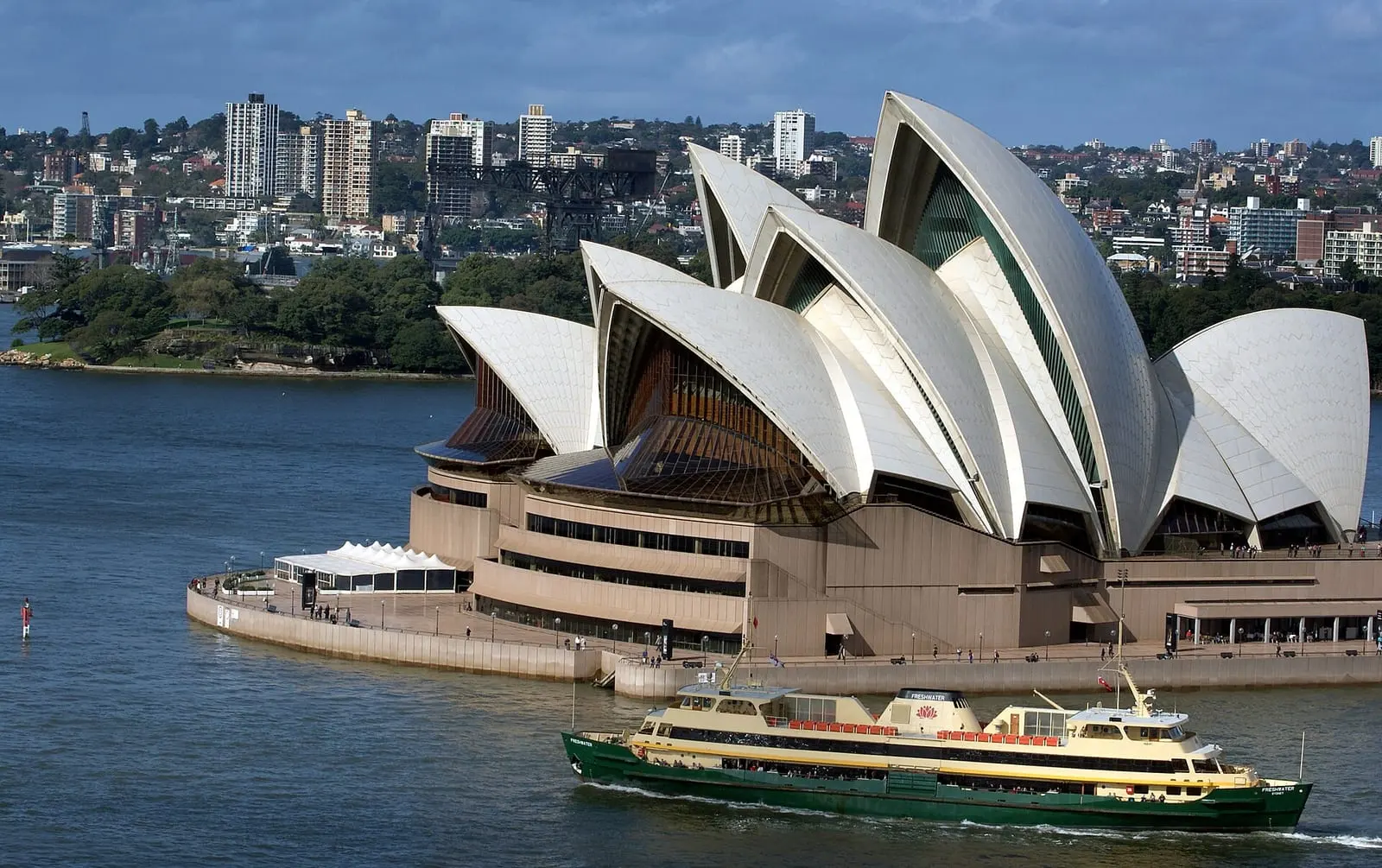
Midday sun is high, hard and white. Shadows are short and sharp, and the sea throws back glare. It is the hardest light for pictures. You can still work with it: shoot into shade, photograph details and colours rather than wide scenes, use a polarising filter (a later unit), or put the sun behind or beside you. Overcast days give soft, even light that suits portraits and detail.
Direction matters too. Front light (sun behind you) is flat but colourful. Side light shows texture. Backlight makes glowing edges and silhouettes, but needs care with exposure (lesson 5).
Plan: look up sunrise and sunset times for the place and go early.
Physics note
Blue light scatters more than red as it passes through air, which is why the sky is blue. At low sun the light passes through much more air, the blue is scattered away and the remaining direct light is orange to red.
Practice
- Photograph one dock three times: early morning, midday, evening. Compare colour and shadow.
- Try front light, side light and backlight on one boat.
- Find the sunrise and sunset time of your harbour today and note when blue hour ends.
- Take a silhouette of a mast against the sky; set the exposure for the sky.
- On a bright midday, find a way to make a good photo without waiting for better light.