Lesson 30 · Advanced
Ethics, privacy and restricted places
This lesson gives principles and tells you where to look. It is not legal advice and does not summarise any country’s law.
Read first:
What you will learn
- Where photography is not welcome or not allowed, and how to notice it.
- How to treat people, wildlife and places with respect.
- What to do with a photograph you should not publish.
Safety first
The photo is never worth the risk. Stop shooting at once if you are told to, if a sign says so, or if you feel unsafe. Never argue with security staff or officials; put the camera down, be polite and leave. Do not trespass, climb fences or enter a jetty or pontoon that is closed or private to get a view. A good angle is never worth breaking a rule or putting a person or an animal at risk.
The lesson
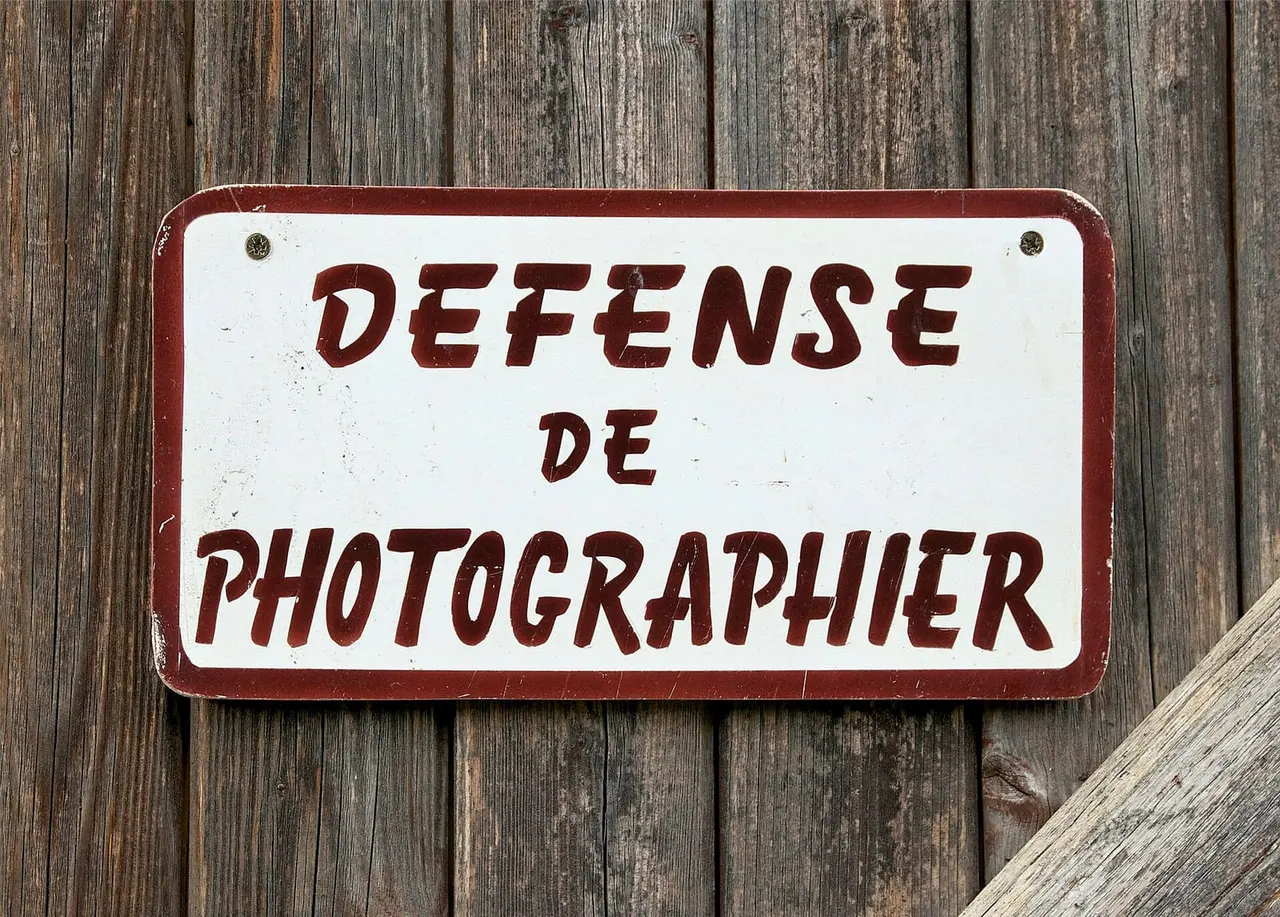
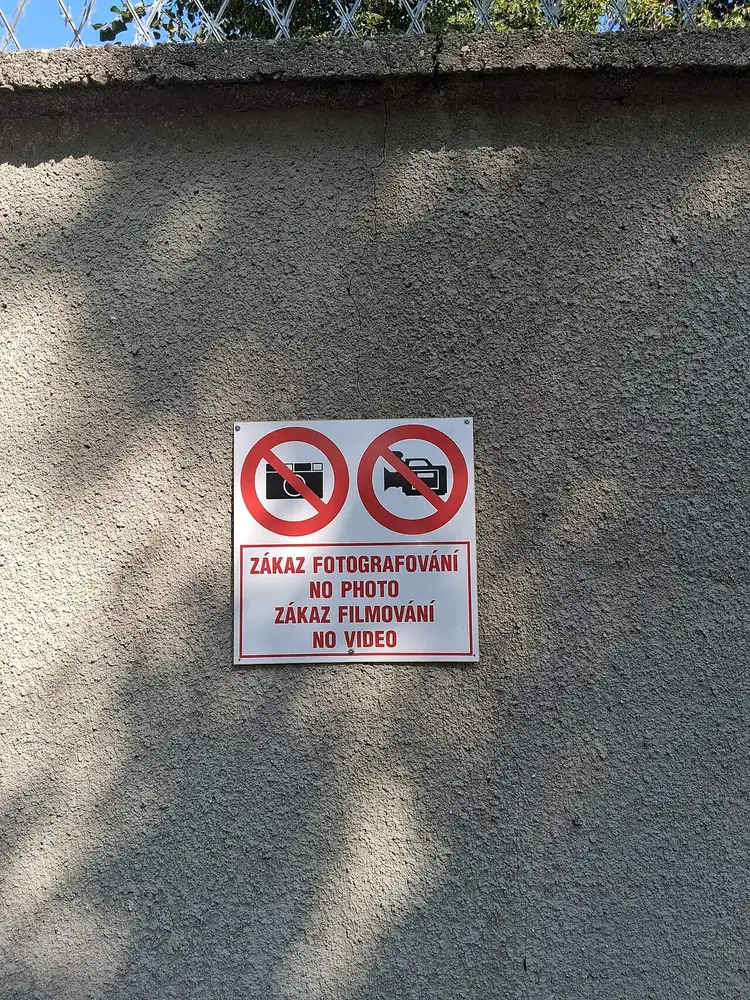
Respect signs and restricted areas. A harbour is a working place: some parts belong to commercial ports, fuel docks, customs, a coastguard or a navy, and others to private clubs and owners. Signs saying no photography, no entry or no drones mean what they say. Where there is no sign, remember that not everything that is allowed is wise.
Do not photograph military installations or military vessels. This is the plain rule of Wildock and of many places. Official government advice for travellers in some countries states it directly: for example the UK government’s travel advice for Turkey says not to take photographs of or near military or official installations. Many countries have such rules, and they differ. Treat every naval base, military harbour, coastguard or security zone, and any vessel that looks military, as off limits for your camera, and if you are unsure, do not shoot. If a sign says you may photograph only in some places, stay in them, and ask the staff when unsure. Public land is also not always free: US federal rules allow photographing exteriors from public places only if it does not disrupt operations or break a security rule.
The types of rule to look for in your country: security zones around ports and bases; rules for sensitive infrastructure; drone zones (lesson 27); rules on photographing people, minors and private spaces (lesson 18); rules for national parks, reserves and marine protected areas; and rules for commercial use and filming permits. Read the authority’s own page, and note the date.
People and privacy: see lesson 18. Add that a picture can show things you did not mean to share: boat names, registration numbers, a house, a child, the time and place from metadata. Remove location data before sharing a picture of someone’s boat or a quiet anchorage if that would put them or the place at risk.
Wildlife: watch from a distance and never feed, chase or touch. NOAA Fisheries’ guide suggests about 50 yards for dolphins, seals and turtles and about 100 yards for whales, in the areas it covers; local rules may be stricter.
If you are unsure whether to publish, do not. A photograph can wait; a published one cannot be taken back. Credit and licence rules are in lesson 29.
Practice
- Visit a marina and list every sign about photography, entry or drones.
- Write what you would do if a guard asks you to stop shooting.
- Check one of your photos for hidden data (location) and note what you would remove.
- List three things you will never photograph for a public site.
- Find your own country’s official page on photographing security or military sites and note its date.
Sources
Official pages this lesson relies on. Rules differ by place, so check the authority where you are.
- GOV.UK, Safety and security - Turkey travel advice
- US Department of Homeland Security, Federal Rules and Regulations for Conduct on Federal Property
- NOAA Fisheries, Marine Life Viewing Guidelines
- EASA, Geo-Zones: know where to fly your drone